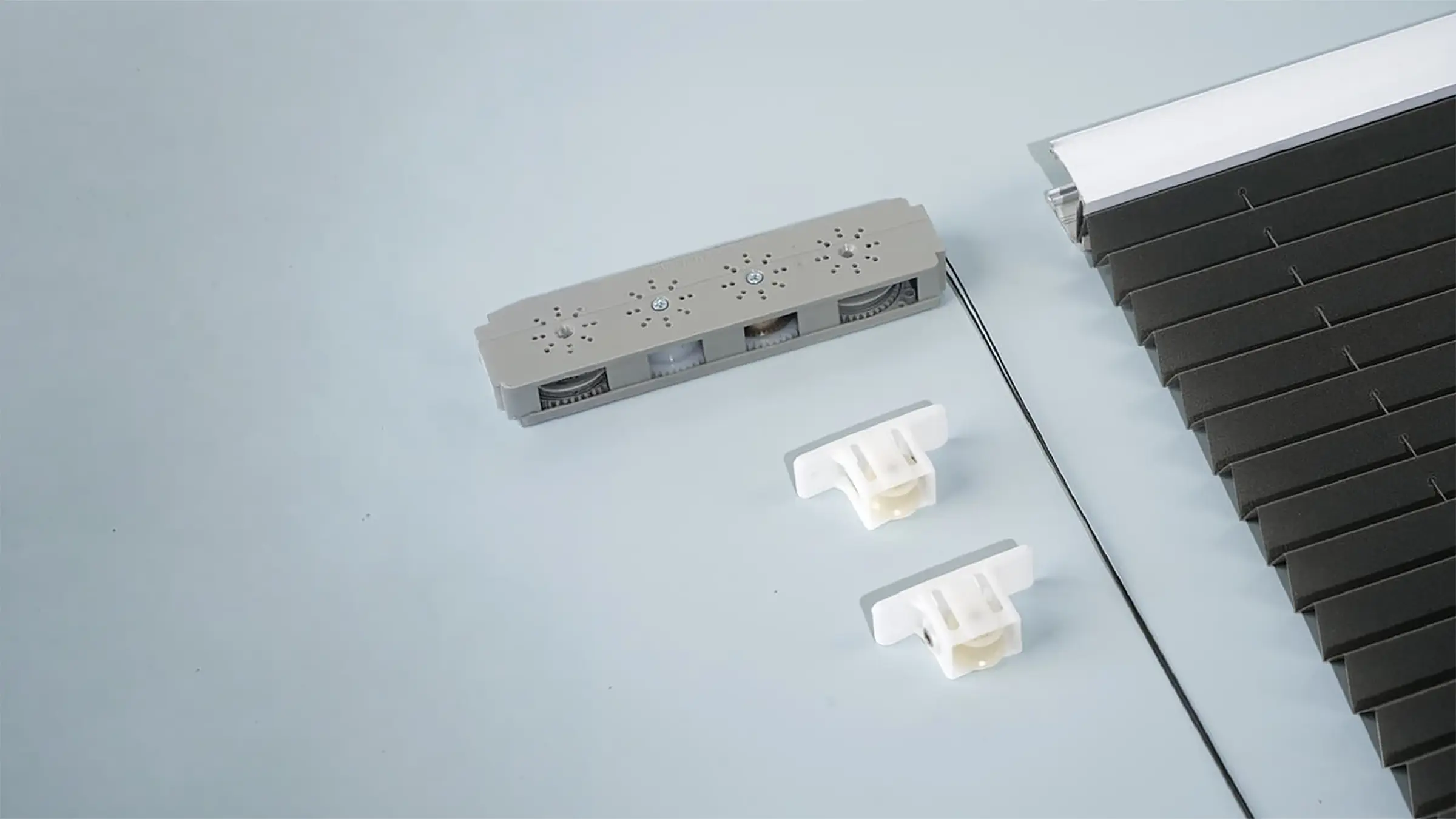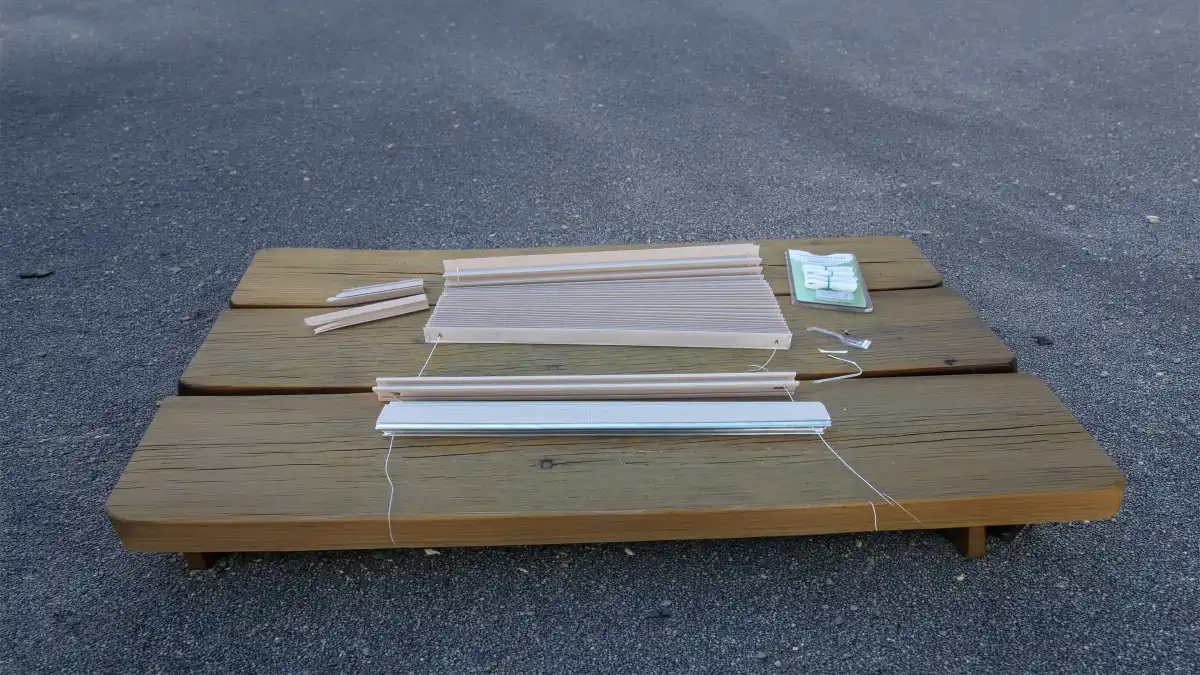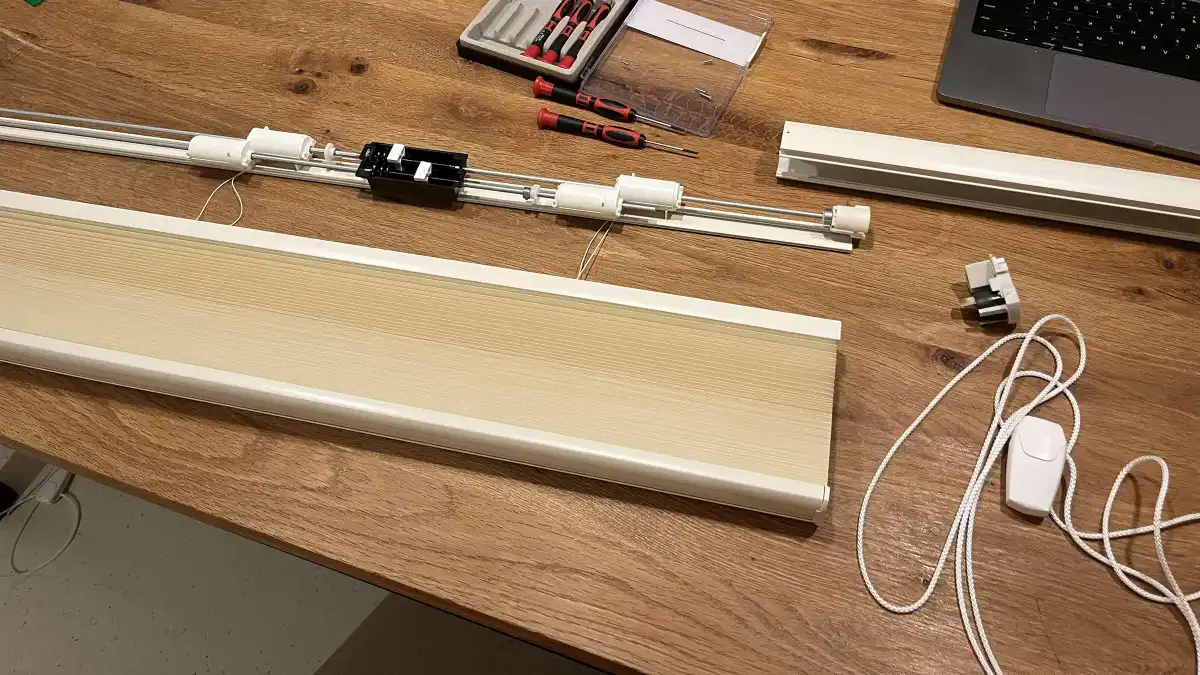
What Is a Pleated Blind?
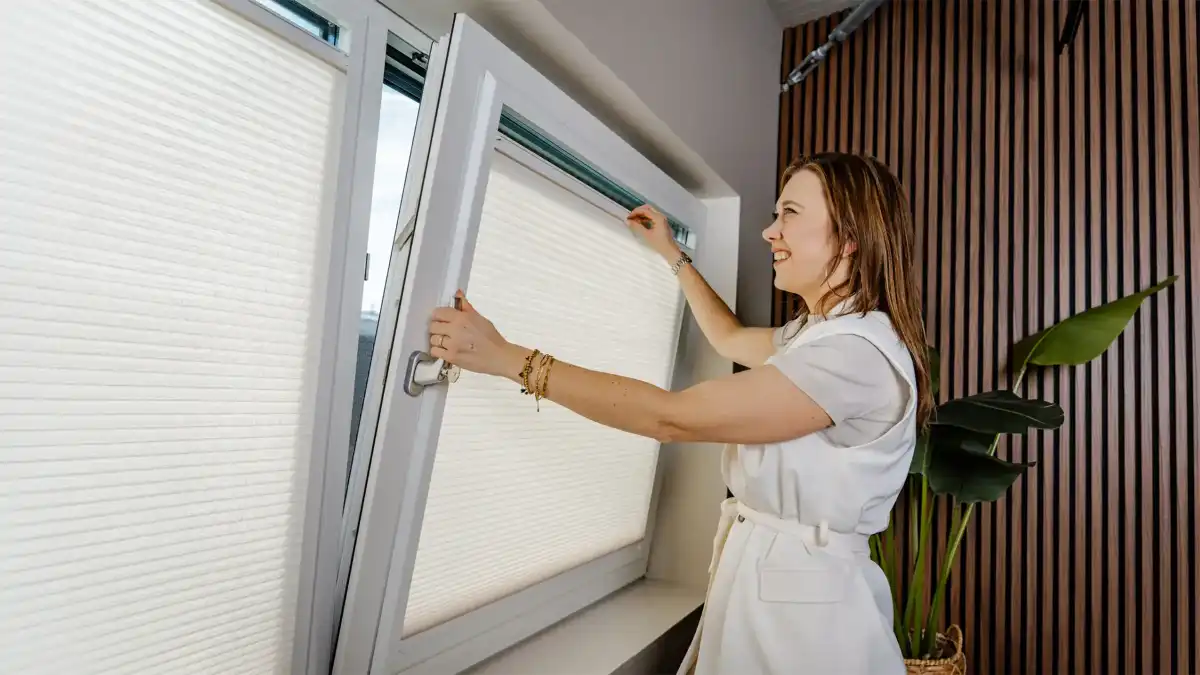
What is a Pleated Blind?
Pleated blind is a modern window covering system where the fabric gains an accordion-like structure by folding at regular intervals. It takes its name from the French verb "plisser" (to pleat, to fold); it's also known as "pleated blind". The fabric has permanent pleats fixed with heat during production — these pleats allow the fabric to gather into a narrow 2-3 cm bundle when the blind is open. This feature makes the pleated blind the most compact blind system on the market.
How It Works
The pleated blind operates on a simple principle: two cords run through the fabric and control its position. When you pull the cords, the fabric folds into a compact bundle at the top or bottom. Release the cords and the fabric expands to cover the window. The pleats maintain their shape because they're heat-set during manufacturing.
Types of Pleated Blinds
- Standard pleated: Single layer fabric, most common type
- Double pleated: Two fabric layers for better insulation
- Honeycomb pleated: Cellular structure for thermal efficiency
- Blackout pleated: Light-blocking fabric for bedrooms
- Motorized pleated: Remote-controlled operation
Advantages
- Compact: Folds to 2-3 cm, doesn't obstruct windows
- Versatile: Works on standard, sloped, and irregular windows
- Low maintenance: Antistatic fabric, easy to clean
- Energy efficient: Honeycomb options provide insulation
- Safe: Cordless options available for children
Where It's Used
Pleated blinds are popular in residential and commercial spaces: homes, offices, hotels, hospitals, boats, and RVs. Their compact design and versatility make them ideal for windows of all shapes and sizes.
Frequently Asked Questions