How Is a Pleated Blind Made?
13 Temmuz 2026 {{ count }} views
How is a Pleated Blind Made?
Pleated blind production is an industrial process requiring precision, completely different from standard curtain sewing. For the fabric to gain its "accordion" form, the pleats must be heat-set. This is a process that can't be achieved at home with an iron. Below, we explain the factory production stages and why home production isn't a realistic alternative.
Fabric Preparation
- Fabric selection: Polyester or blend fabrics are chosen for their durability and shape retention
- Printing/finishing: Fabrics are printed, coated or treated for specific properties (blackout, antistatic, stain-resistant)
- Cutting: Fabric is cut to exact window dimensions with precision cutters
Pleating Process
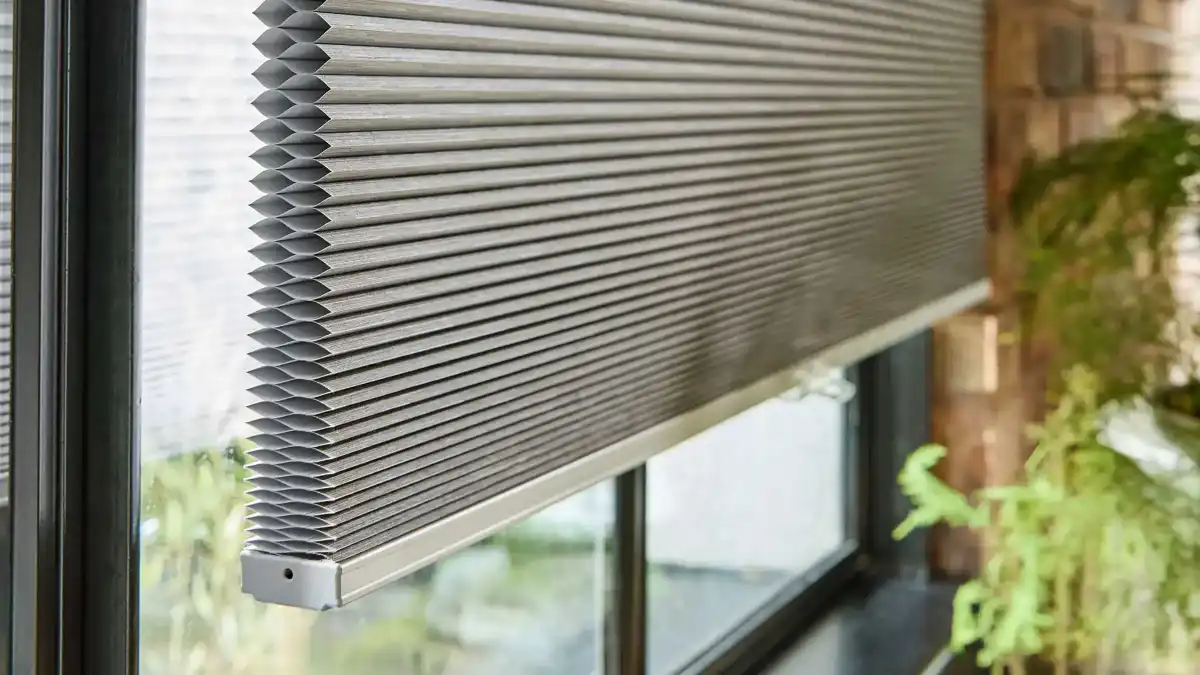
- Pleat forming: Fabric is fed through heated pleating rollers that create the accordion folds
- Heat setting: Pleats are permanently fixed with heat (180-200°C) — this is what makes them hold their shape
- Cooling: Pleats are cooled under pressure to lock in the shape
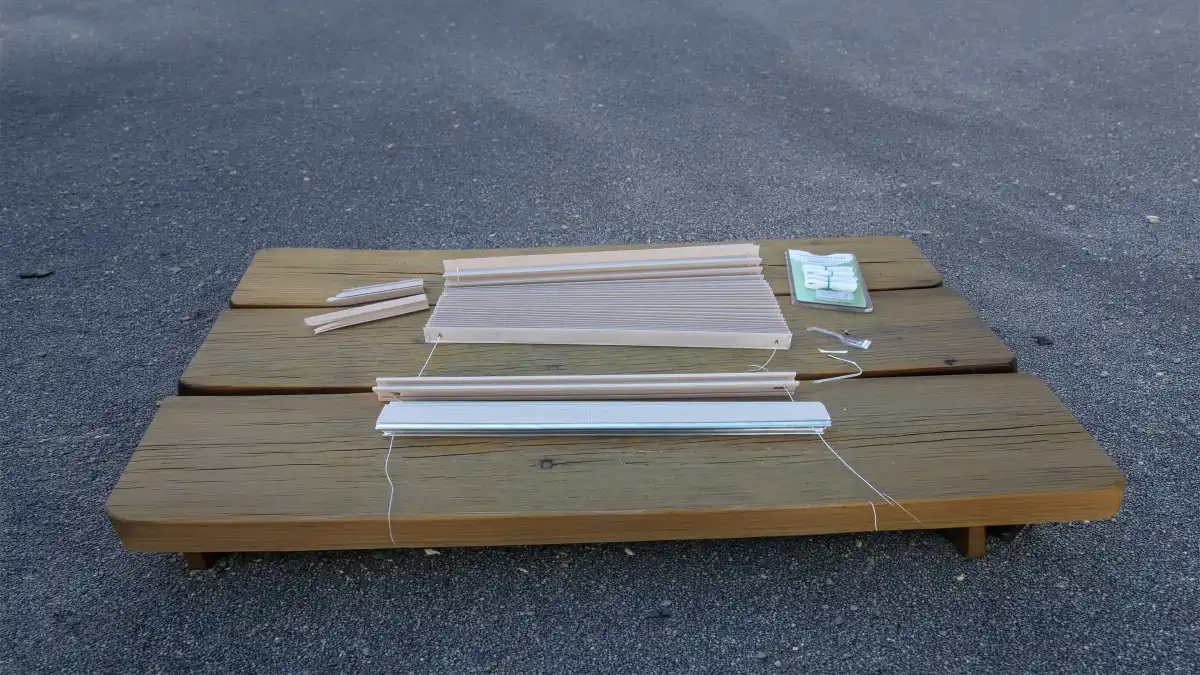
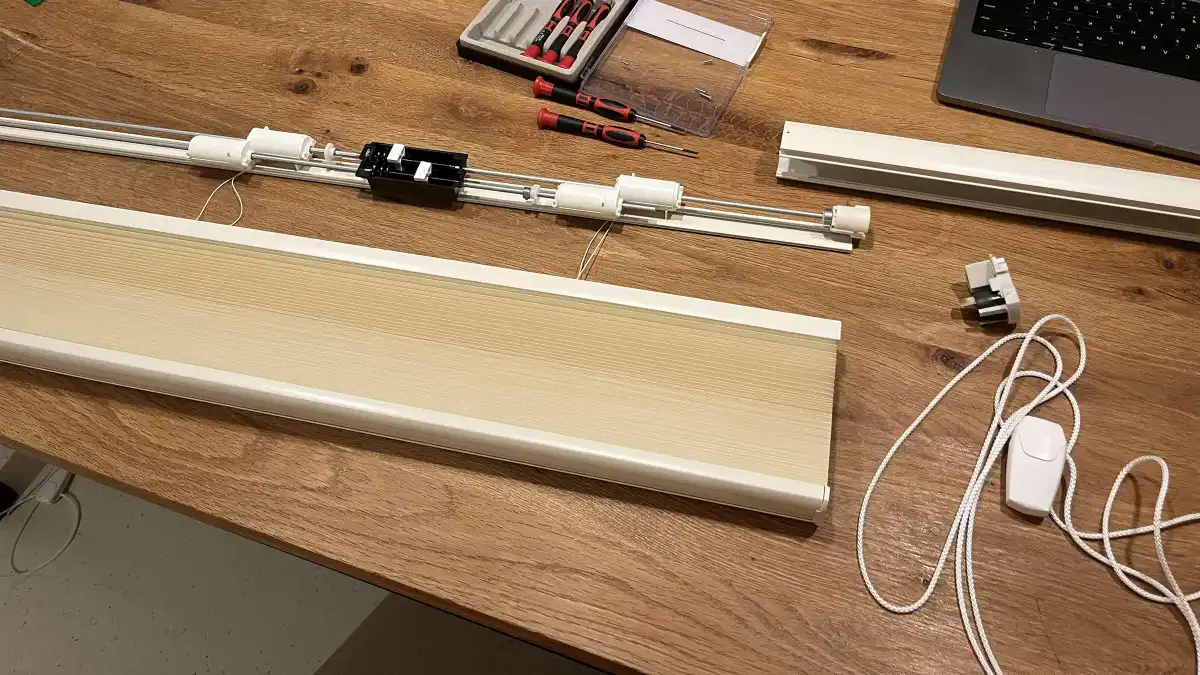
Assembly
- Cord threading: Cords are threaded through the pleated fabric at precise intervals
- Profile attachment: Top and bottom aluminum profiles are attached to the fabric edges
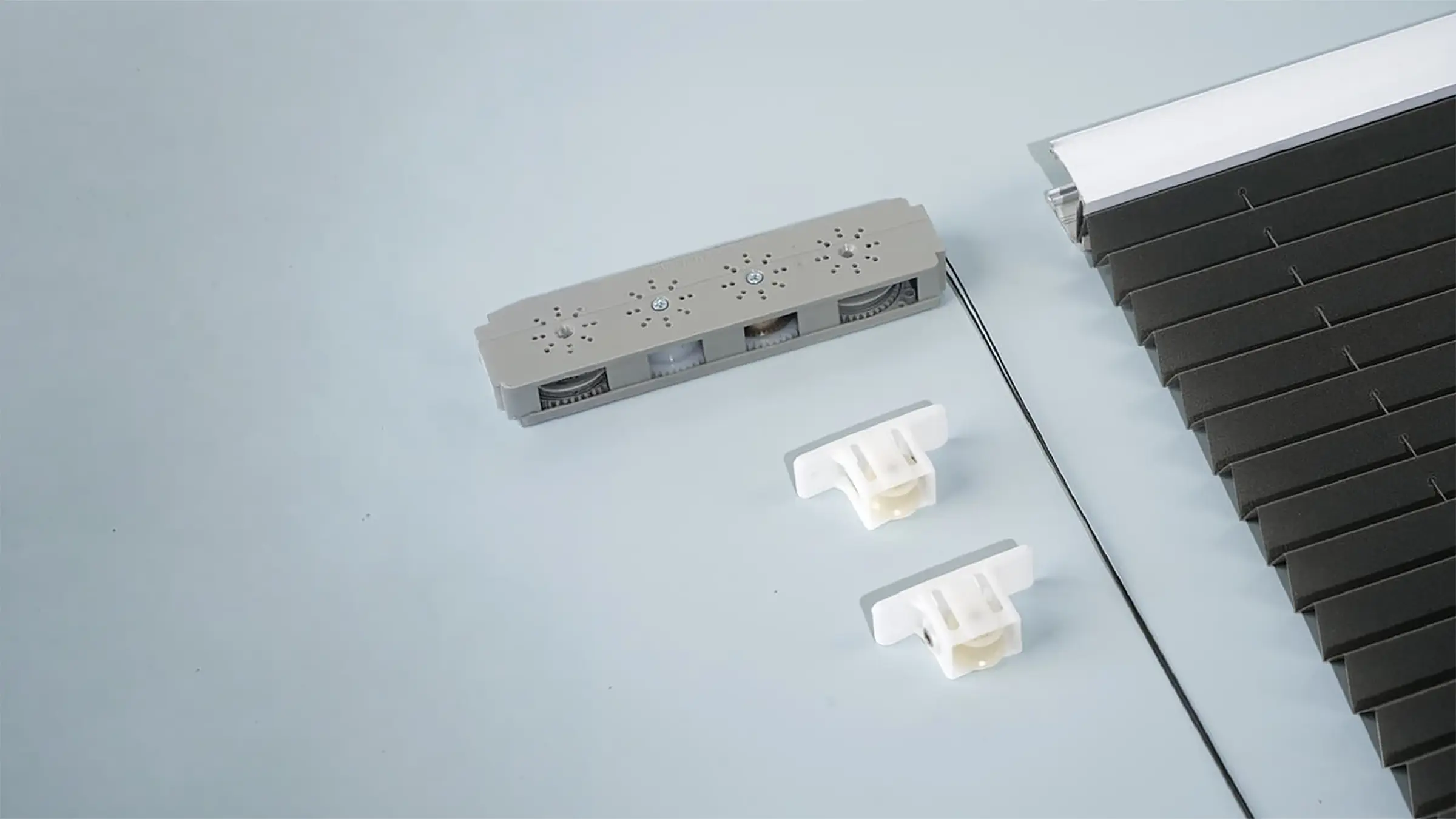
- Mechanism installation: Tension springs, locking clips and guide channels are installed
- Quality check: Each blind is tested for smooth operation, cord tension and alignment
Why Home Production Doesn't Work
- Heat-setting requires industrial equipment (pleating machines)
- Precision cutting needs specialized tools
- Cord threading requires consistent spacing
- Quality control standards can't be met at home
Custom Manufacturing
Every pleated blind is custom-made to exact window measurements. The process takes 5-10 business days depending on complexity. Motorized versions add 2-3 days for motor installation and programming.
Frequently Asked Questions