
Standard Pleated Blind
The Standard Pleated Blind offers practical use in homes, offices, kitchens and glass balconies with its clean look, fabric that filters light in moderation and custom-size production. It complements without crowding the window form. Its folding structure stands neatly in tight spaces. With a line that suits modern décor, it works discreetly. It preserves the feeling of brightness in daily use, supports privacy expectations and creates a clean window view.
13 products
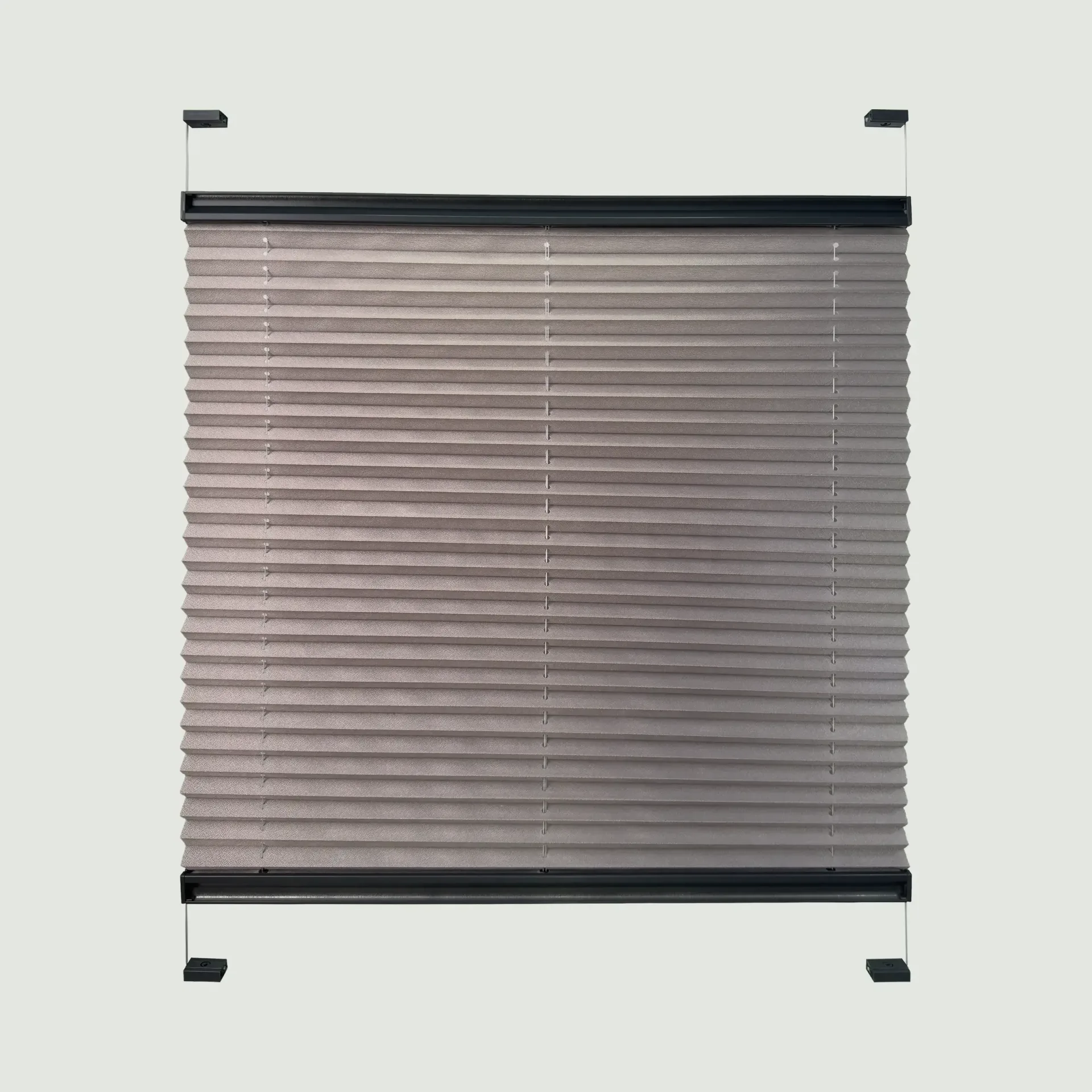
TaupePleated Blind
869₺
Square Meter
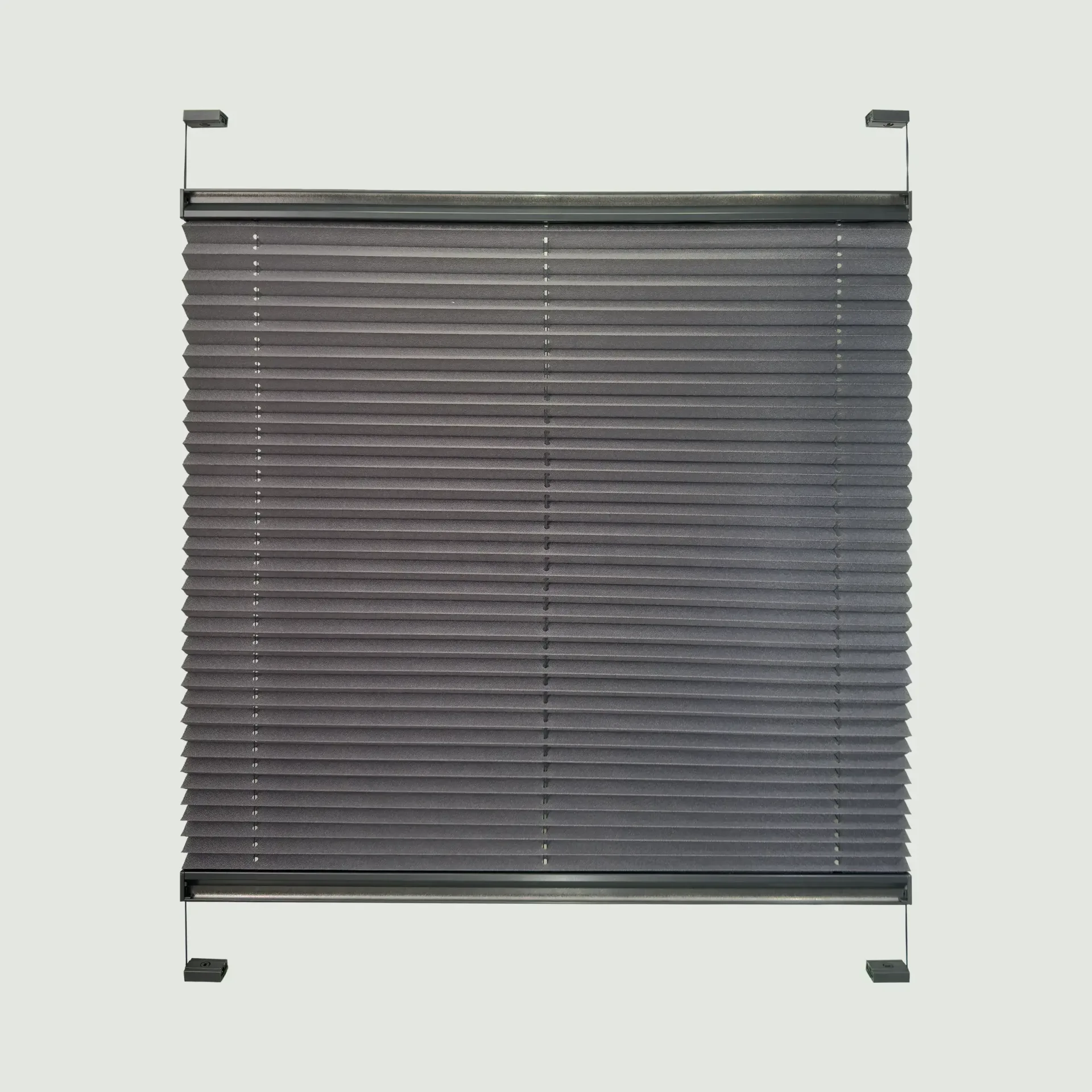
AnthracitePleated Blind
869₺
Square Meter
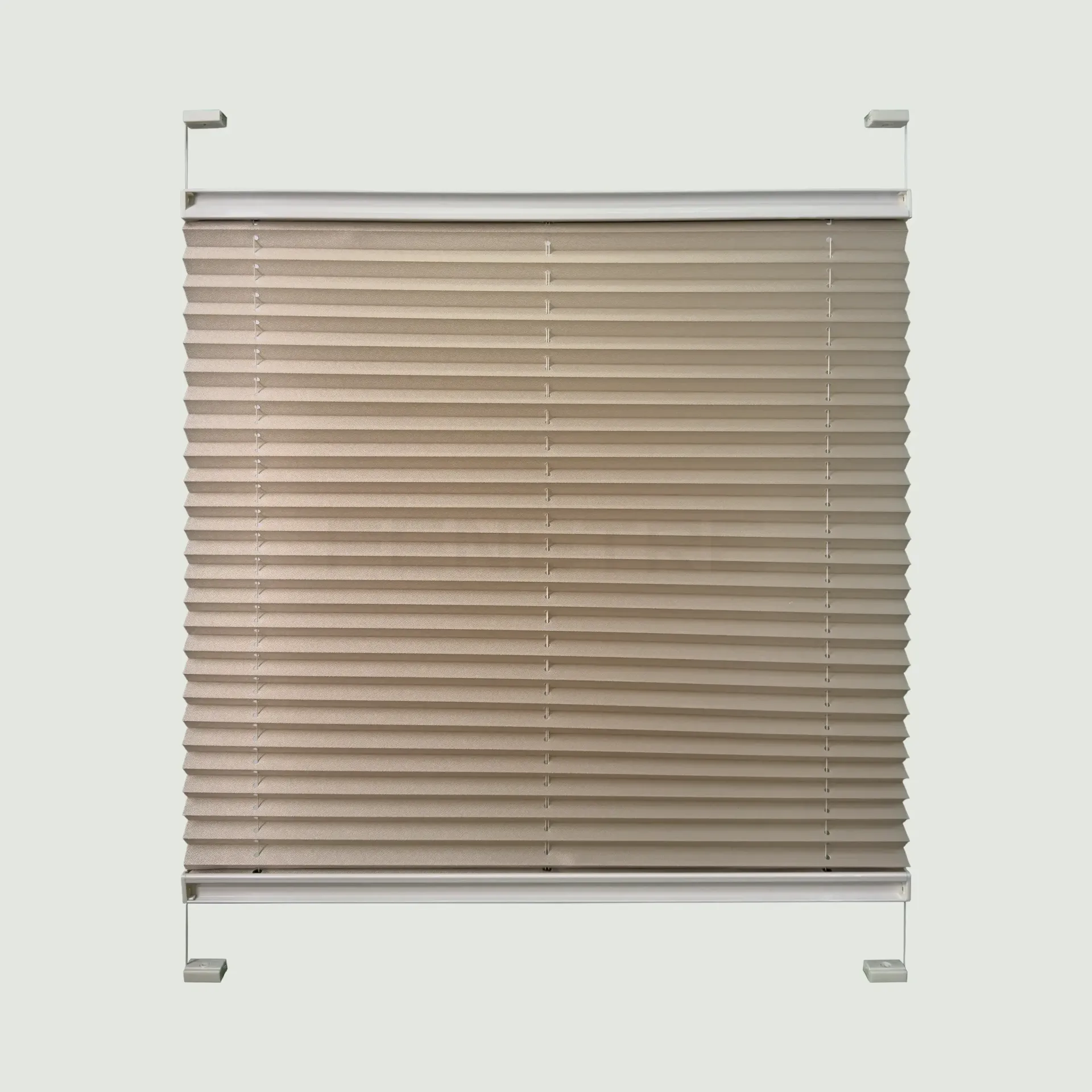
BeigePleated Blind
869₺
Square Meter
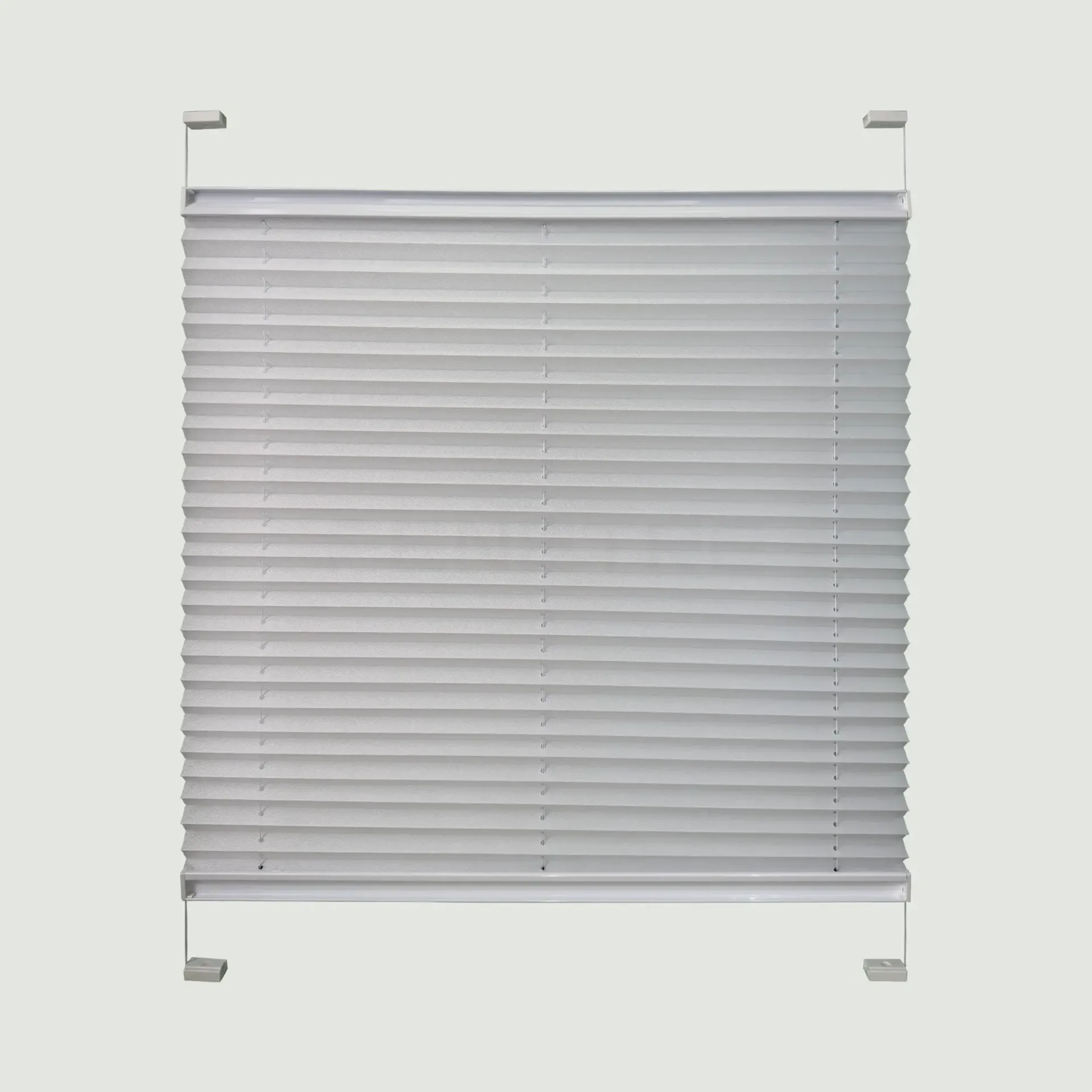
WhitePleated Blind
869₺
Square Meter
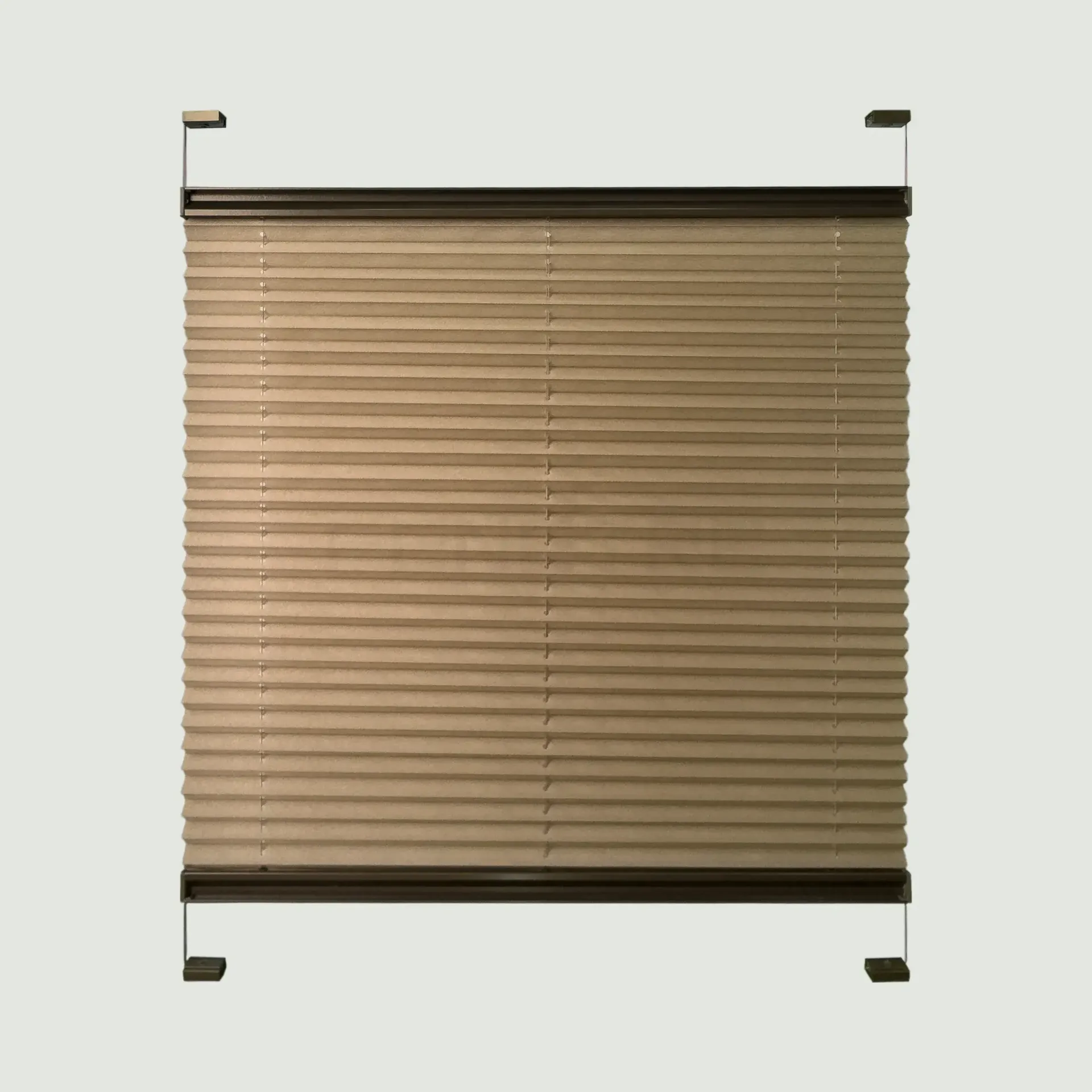
BronzePleated Blind
869₺
Square Meter
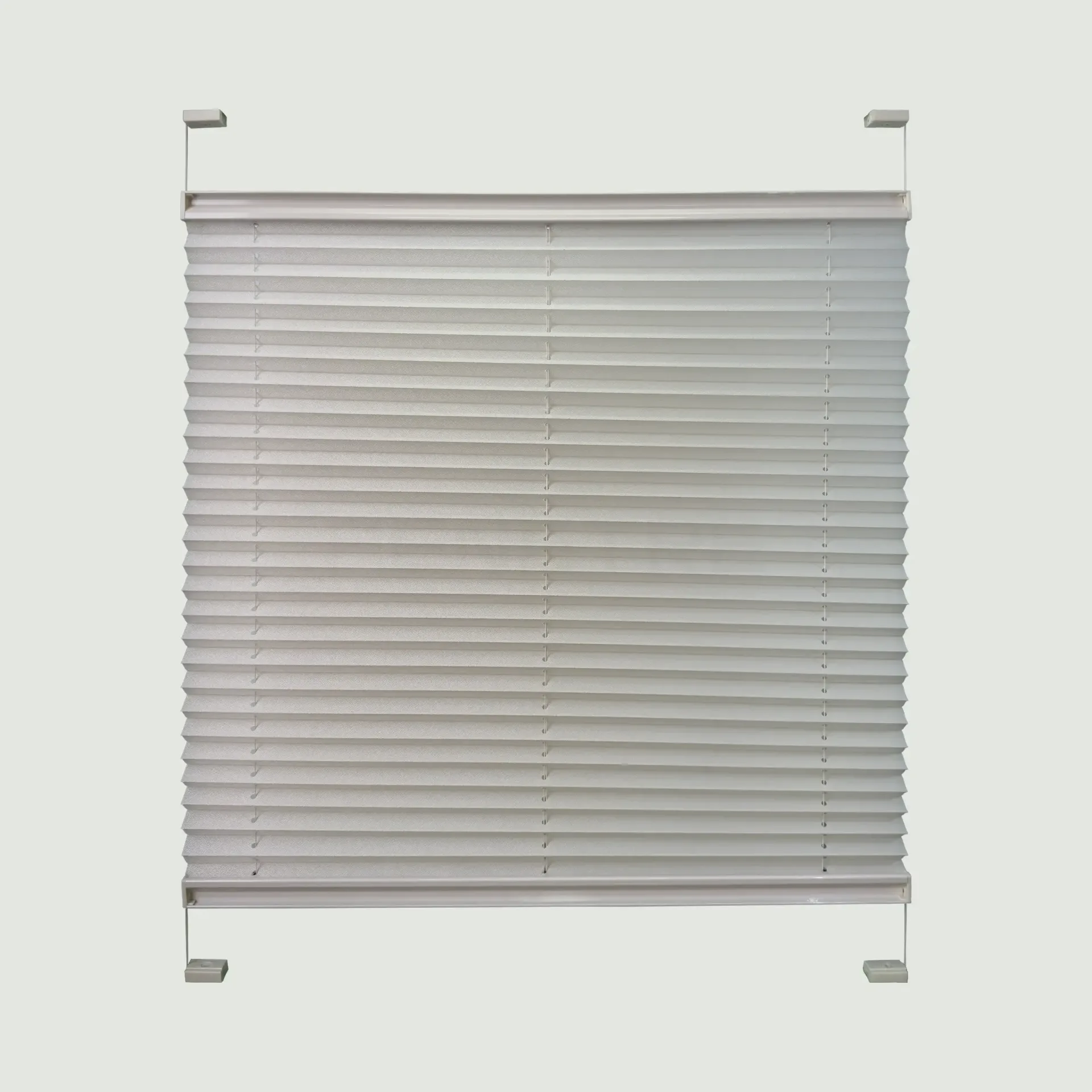
EcruPleated Blind
869₺
Square Meter
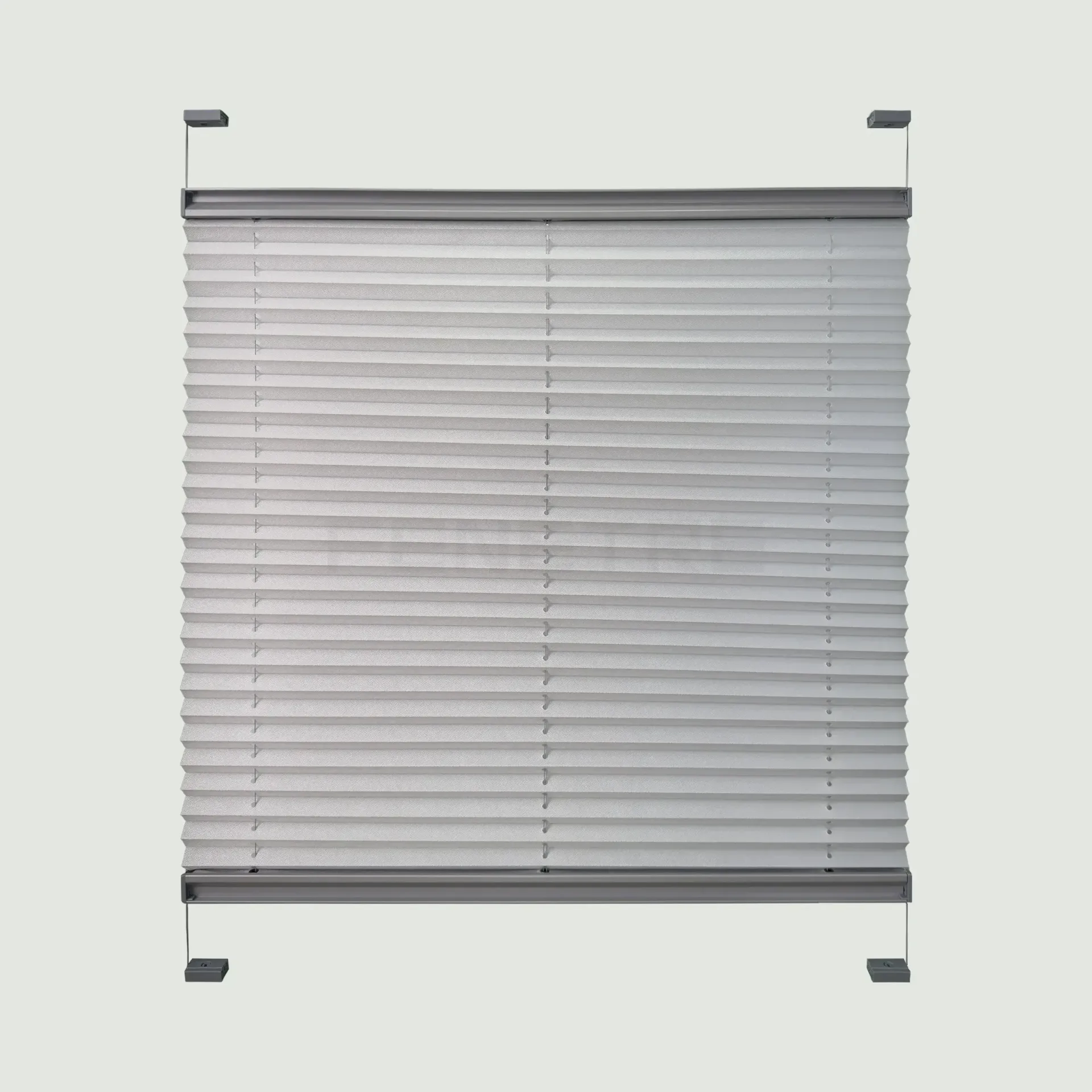
GreyPleated Blind
869₺
Square Meter
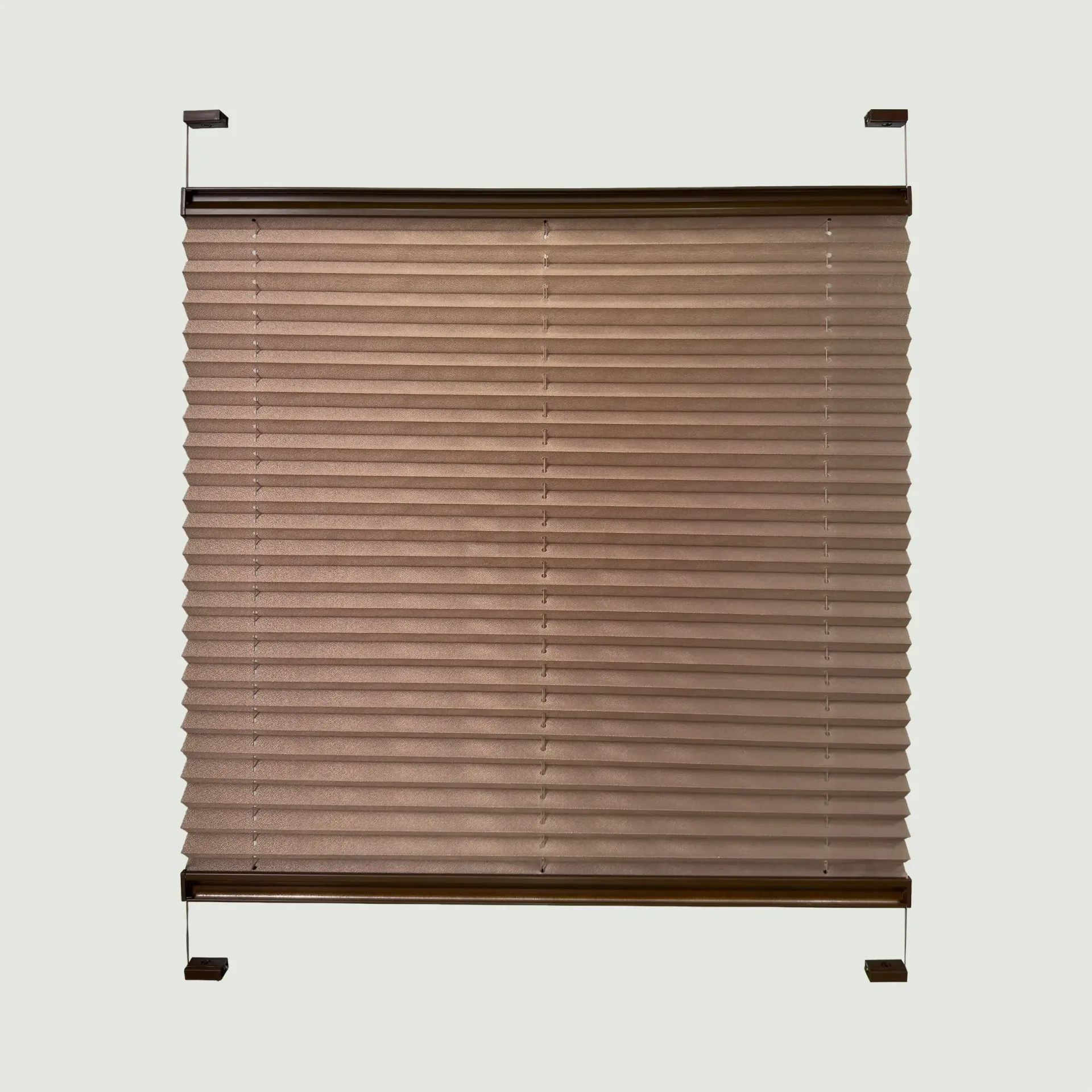
BrownPleated Blind
869₺
Square Meter
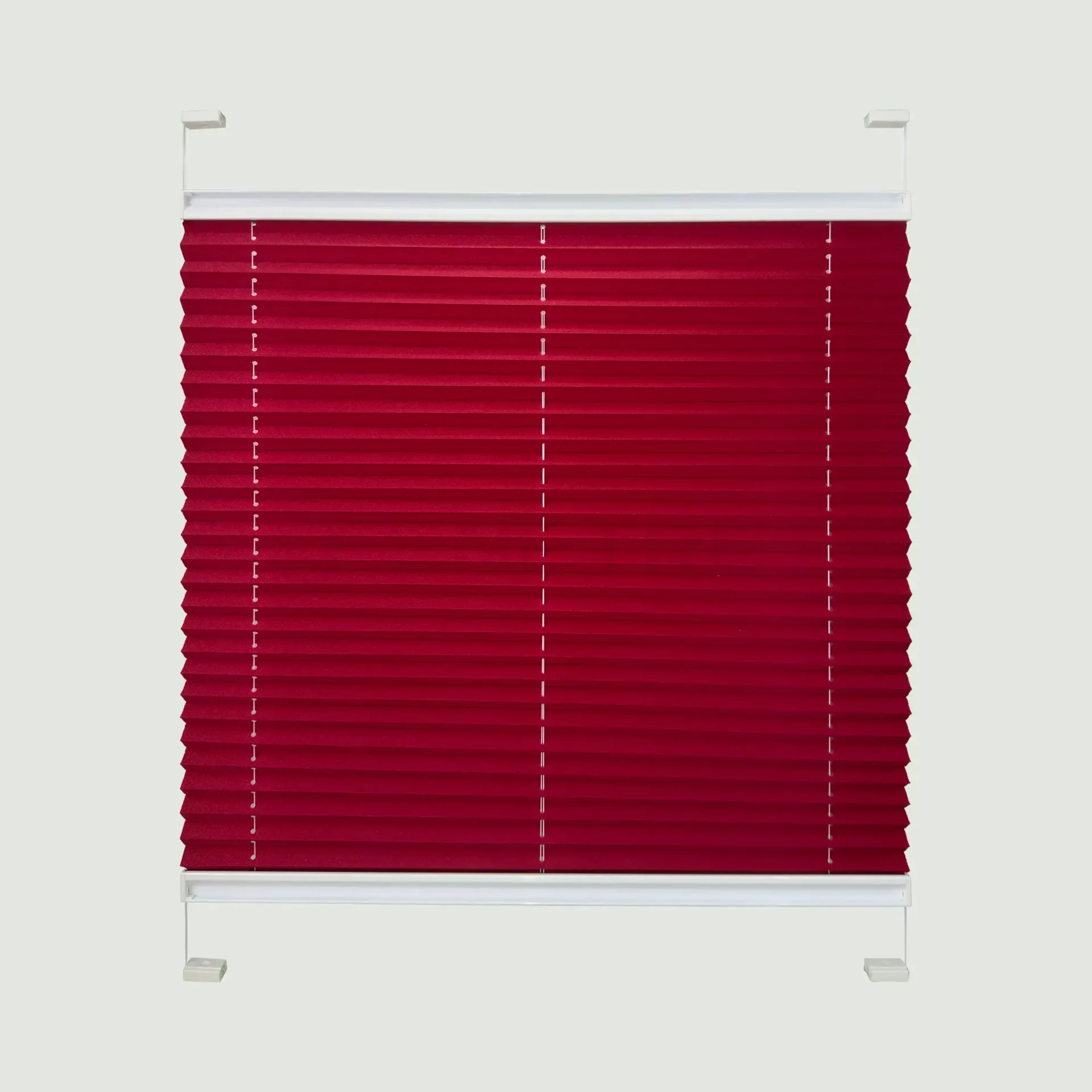
RedPleated Blind
869₺
Square Meter
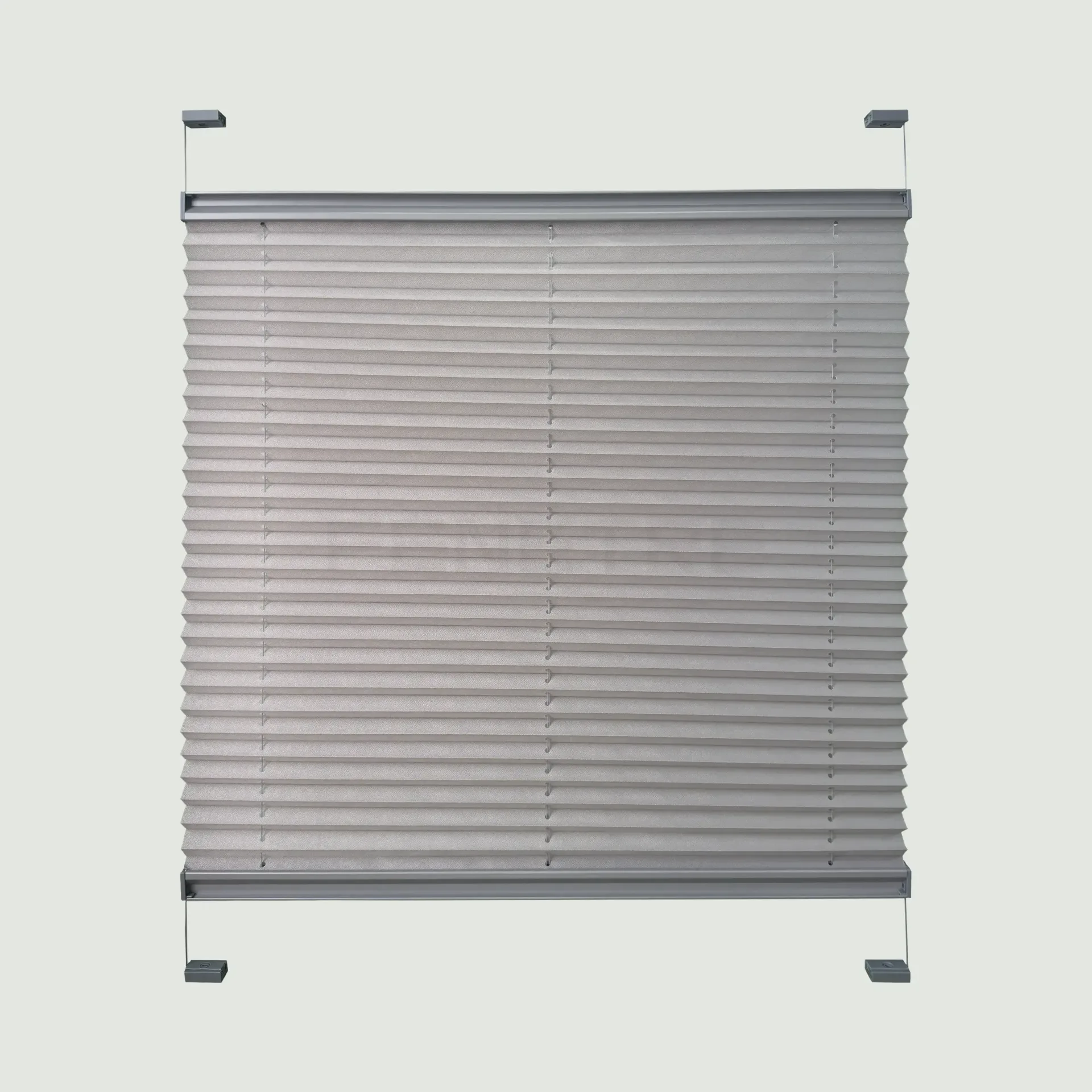
Dark GreyPleated Blind
869₺
Square Meter
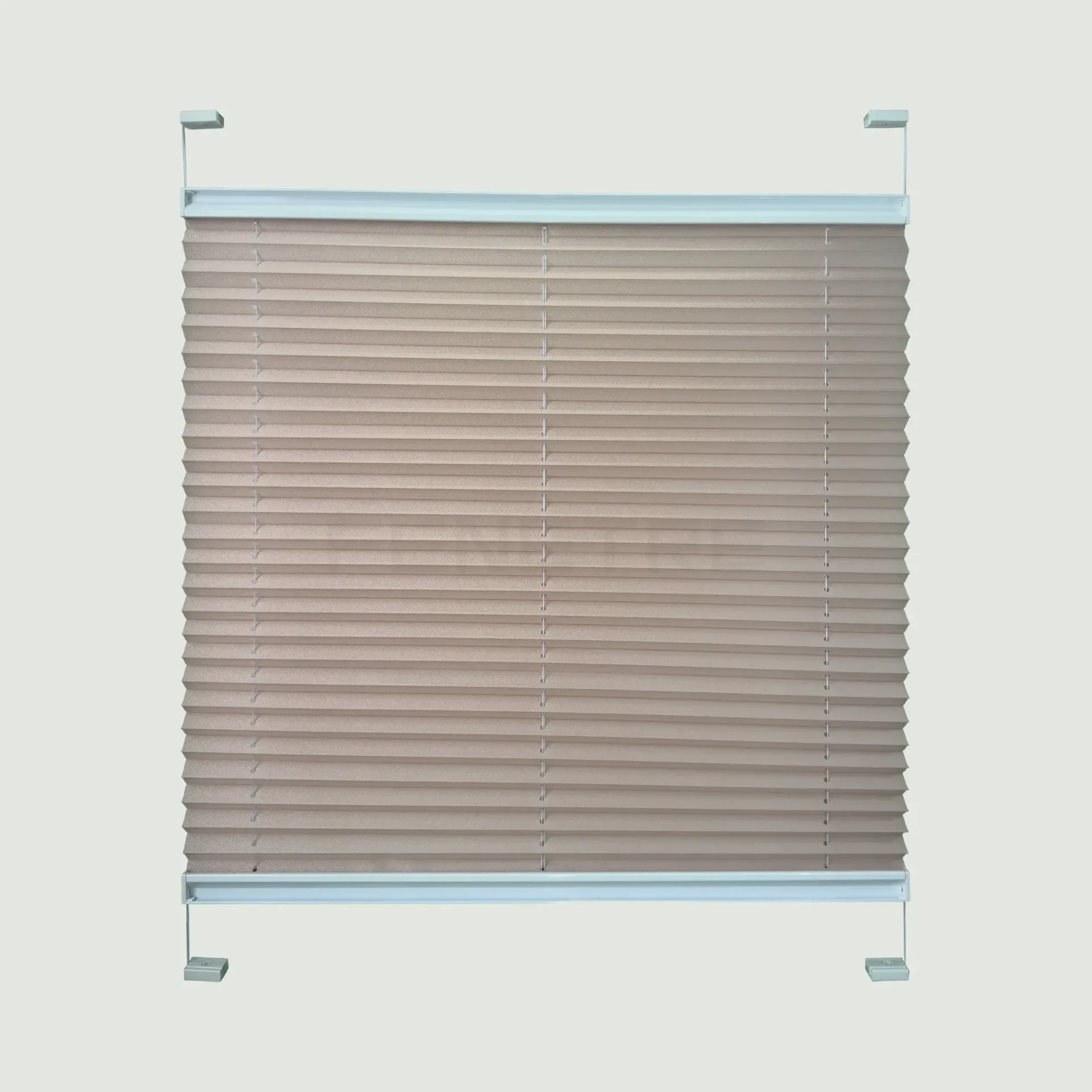
PinkPleated Blind
869₺
Square Meter
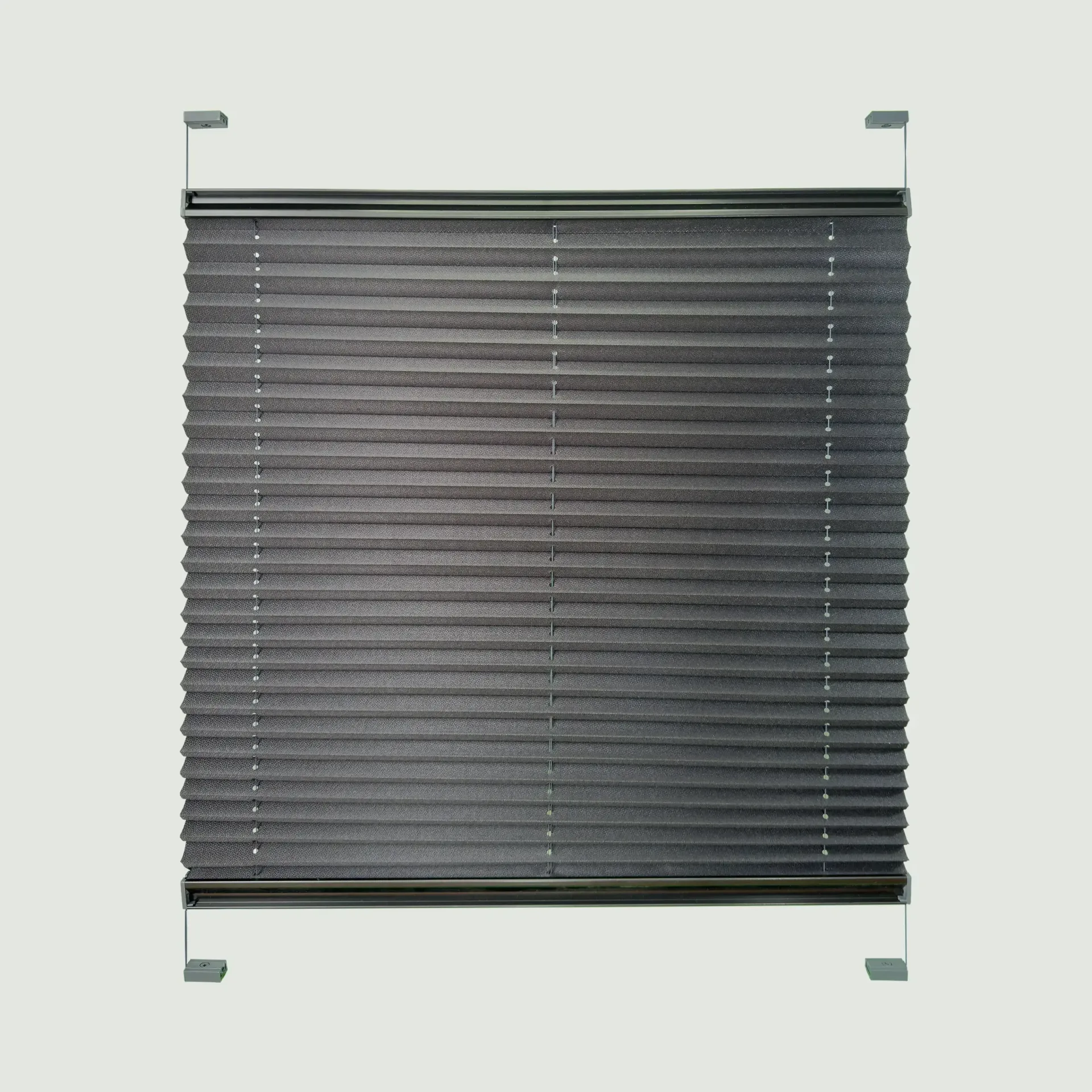
BlackPleated Blind
869₺
Square Meter
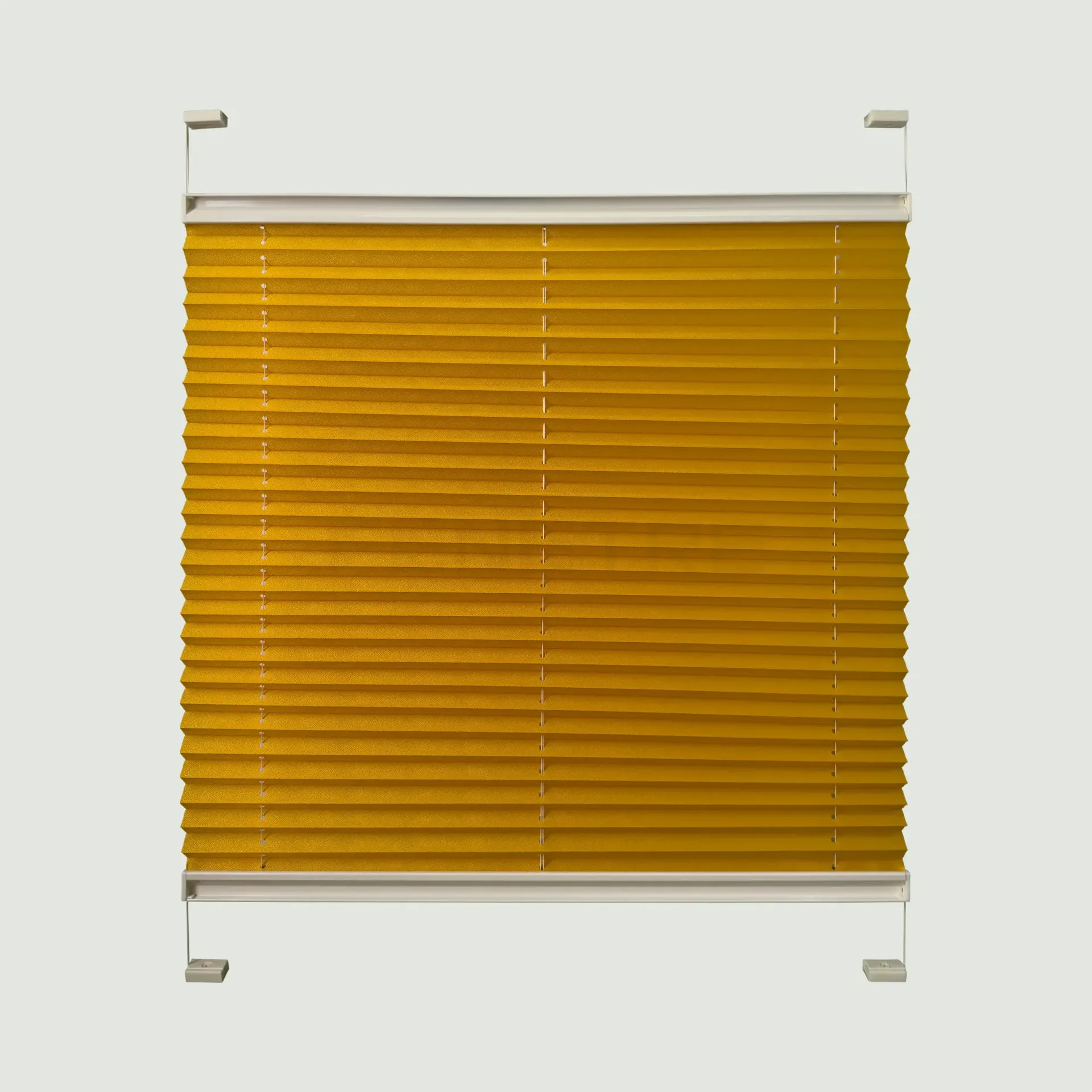
OrangePleated Blind
869₺
Square Meter
About Standard Pleated Blind
The Standard Pleated Blind provides a tidy appearance in window areas with its plain fabric structure that gathers in pleats. The fabric lets light in in a more controlled way rather than cutting it completely. This preserves a sense of airiness in daily use. The product forms a functional category especially for users who want simple decoration. It can be applied in different areas such as living rooms, kitchens, offices and glass balconies. A standard pleated blind combines a minimal look with the convenience of custom-size use in a single structure. It does not feel heavy in narrow window openings. On wide surfaces it creates a clean, balanced line. This structure stands out in areas that do not want classic blind clutter.
Effect of the Plain Fabric Structure on Daily Use
The core strength of the standard pleated system is not that it looks complicated. It comes from a design that performs. Fabric folds progress evenly along the window. When opened, the surface stays plain. When gathered, it does not take up much volume. This feature provides a serious advantage in narrow frame structures. When the product is chosen with a translucent fabric, natural light stays inside. A blackout effect should not be expected. It offers a simple filtering that softens daylight. The privacy expectation may vary depending on the window's position. Especially in areas with nearby opposing buildings, fabric colour and density should be evaluated together. When measured correctly, the system does not look like it was added to the window afterwards.
Choosing a Standard Pleated Blind by Use Case
The Standard Pleated Blind meets different needs in different spaces. Practicality stands out in the kitchen. Simple integrity is sought in the living room. Light control becomes more pronounced in the office. Panel compatibility matters on glass balconies. When choosing, one should not look only at fabric colour. Window type, opening direction, glass width and frequency of use should be examined together. The table below compares the usage character of the standard pleated blind in different areas. This comparison enables a clearer decision in category selection. Each row explains how the product is positioned not only decoratively but also for daily use.
| Location | Core Expectation | Light Control | Visual Effect | Measurement Precision | Suitable User Profile |
|---|---|---|---|---|---|
| Kitchen | Easy open/close | Keeps daylight soft. | Looks clean and plain. | Each sash must be measured separately. | Those wanting everyday ease of use |
| Living Room | Balanced decoration | Does not fully block brightness. | Organises the window line. | Care needed on wide surfaces. | Those seeking a minimal look |
| Office | Controlled working light | Helps reduce glare. | Creates a more orderly backdrop. | Desk orientation should be reviewed. | Those wanting comfort around screens |
| Glass Balcony | Panel compatibility | Filters intense light moderately. | Calms the glass lines. | Each panel must be measured independently. | Those using multi-panel systems |
The differences in the table show that the standard pleated blind category is not tied to a single usage pattern. The product can be evaluated in many areas thanks to its plain structure. However, it does not produce the same result in every space. In the kitchen, the perception of an easy-to-clean surface matters. In the living room, decorative integrity is felt more. In the office, working comfort stands out. On glass balconies, panel measurement is decisive. Each window should be considered separately. Fabric translucency, colour choice and mounting method should be planned together. Thus the product provides not only appearance. It also contributes regularly to the daily usage flow.
How to Determine the Mounting Preference?
In standard pleated blind selection, the mounting style determines the relationship the product establishes with the window. The screwed method provides a firm hold on suitable surfaces. The adhesive option may be preferred in areas where drilling is not wanted. A portrait-style structure can create a tidier look on some profile types. Hook mounting may offer practical fixing on suitable sashes. Not every method suits the same window. Profile depth, sash opening and surface structure should be examined in advance. A wrong mounting decision can make the product's movement difficult. For this reason, at the time of ordering, not only the measurement but also the application surface should be communicated correctly. Technical compatibility directly affects long-term usage satisfaction.
Points to Consider When Choosing a Standard Pleated Blind
When preparing a Standard Pleated Blind order, decisions should be checked in a specific order. First the area of use should be clarified. Then measurements should be taken separately. Fabric translucency should be compared with the light expectation. Colour choice should be evaluated together with frame, wall and floor tones. The mounting method should be determined according to the window structure. The items below make the selection process safer. Each item helps reduce possible errors in custom-size production. The list does not serve only as a reminder. It can be used as a real control order before ordering. Thus category selection is completed more consciously.
- Record the window width and height separately in centimetres.
- In sash windows, evaluate each sash independently.
- Compare the fabric's light-transmitting structure with your usage purpose.
- Consider colour choice together with frame, wall and floor tones.
- On glass balconies, check the panel sequence and quantity.
- Make sure the mounting surface is clean, sturdy and suitable.
- Review all measurements again before order confirmation.
When these items are completed, standard pleated blind selection progresses more controlled. Measurement accuracy determines how the product sits around the window. Fabric choice affects the quality of light indoors. The colour decision supports decorative integrity. The mounting preference shapes the feeling of daily use. When planned correctly, a standard pleated blind goes beyond being a plain product. It becomes a measured system that adapts to the window's working style. It does not create unnecessary fabric density. It does not take up extra space. It offers practicality during everyday opening and closing. For this reason, it ranks among the most preferred pleated blind categories.
Application Order Before Ordering
Following a clear application order before the purchase decision is helpful. This order reduces confusion especially in multi-window orders. First the areas should be named. Then measurements should be taken. Afterwards, fabric, colour and mounting method should be determined. Production approval should not be given before the order summary is checked. The numbered flow below offers a practical preparation plan for the standard pleated blind category. Each step helps the order be prepared more accurately. This approach also reduces the information gap between the customer and the production side. A clear record is the safest start for custom-size products.
- Name each area to be fitted separately.
- Write down width and height values for each window.
- Compare your daylight expectation with the category choice.
- Evaluate the fabric colour together with the existing décor.
- Determine the mounting method according to the window structure.
- Check the quantity according to room and window order.
- Review the order summary before giving production approval.
When this flow is completed, a standard pleated blind order becomes more orderly. Because the product is made to measure, wrong information can create serious fit problems. Measurement, quantity and mounting choice are interconnected. An error in one affects the outcome of the others. For this reason, records must be clear, readable and complete. When prepared correctly, a standard pleated blind adapts to different spaces with its clean look. It filters light in a balanced way. It does not create clutter around the window. It provides practicality in daily use. Category preference reaches a safer and more satisfying result with this preparation.