What Are Pleated Blind Materials?
2 Ağustos 2026 {{ count }} views
Pleated blind materials are much more than the visible fabric and profiles. There are dozens of small parts that determine the millimetric operation, silence and lifespan of the blind. Whether you're a blind buyer or manufacturer, knowing the materials is the key to evaluating quality and finding the right spare part.
Fabric Options
- Polyester: The most common material, antistatic, stain-resistant, easy to clean
- Screen: Semi-transparent mesh that filters light while maintaining view
- Blackout: 100% light-blocking fabric with special coating
- Honeycomb: Cellular structure providing thermal insulation
- Sheer: Light-filtering fabric for daytime privacy
Mechanism Components
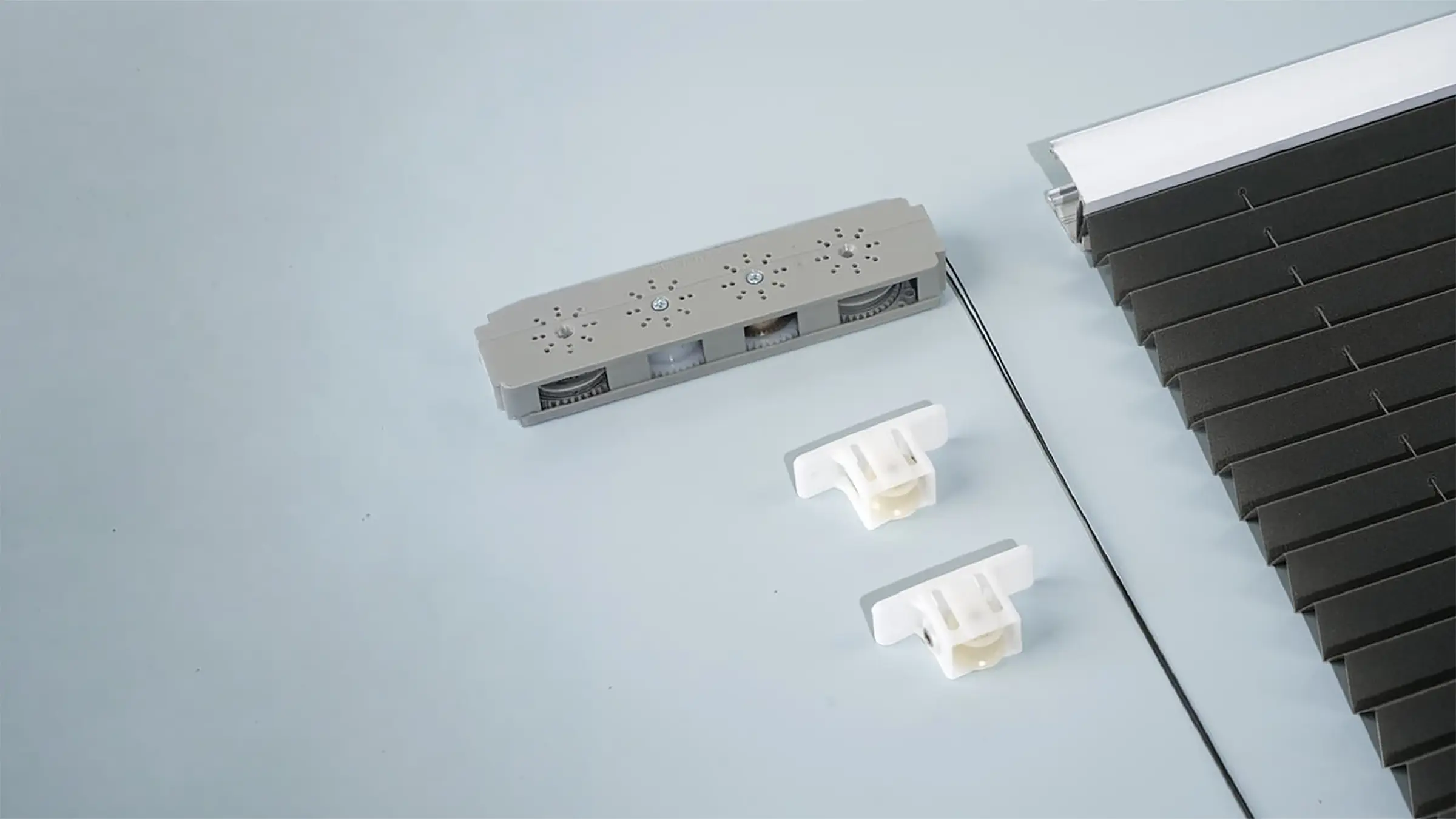
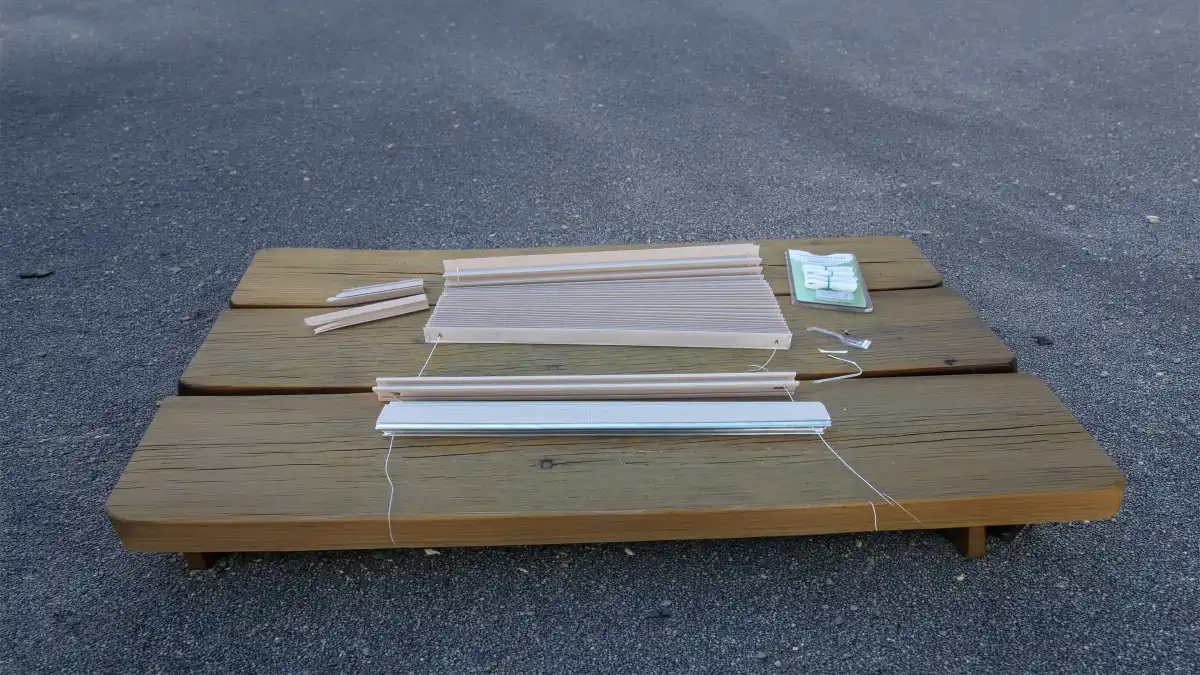
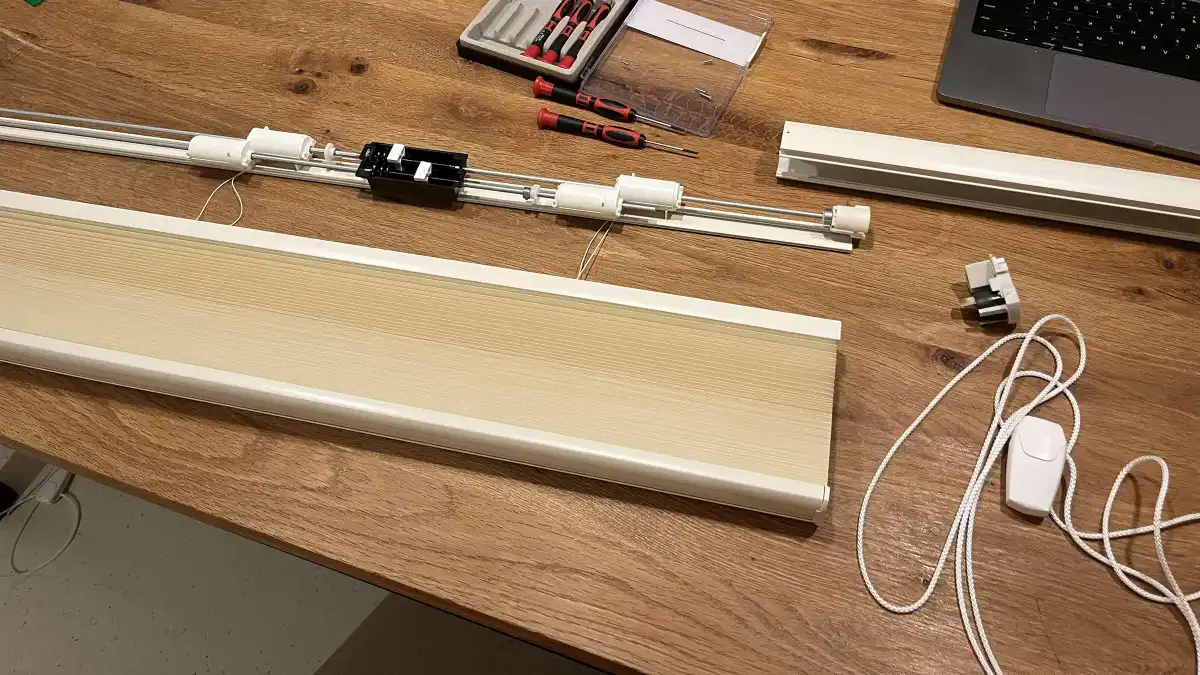
- Profile rails: Top and bottom aluminum profiles that hold the fabric
- Cords: Polyester cords that run through the fabric and control movement
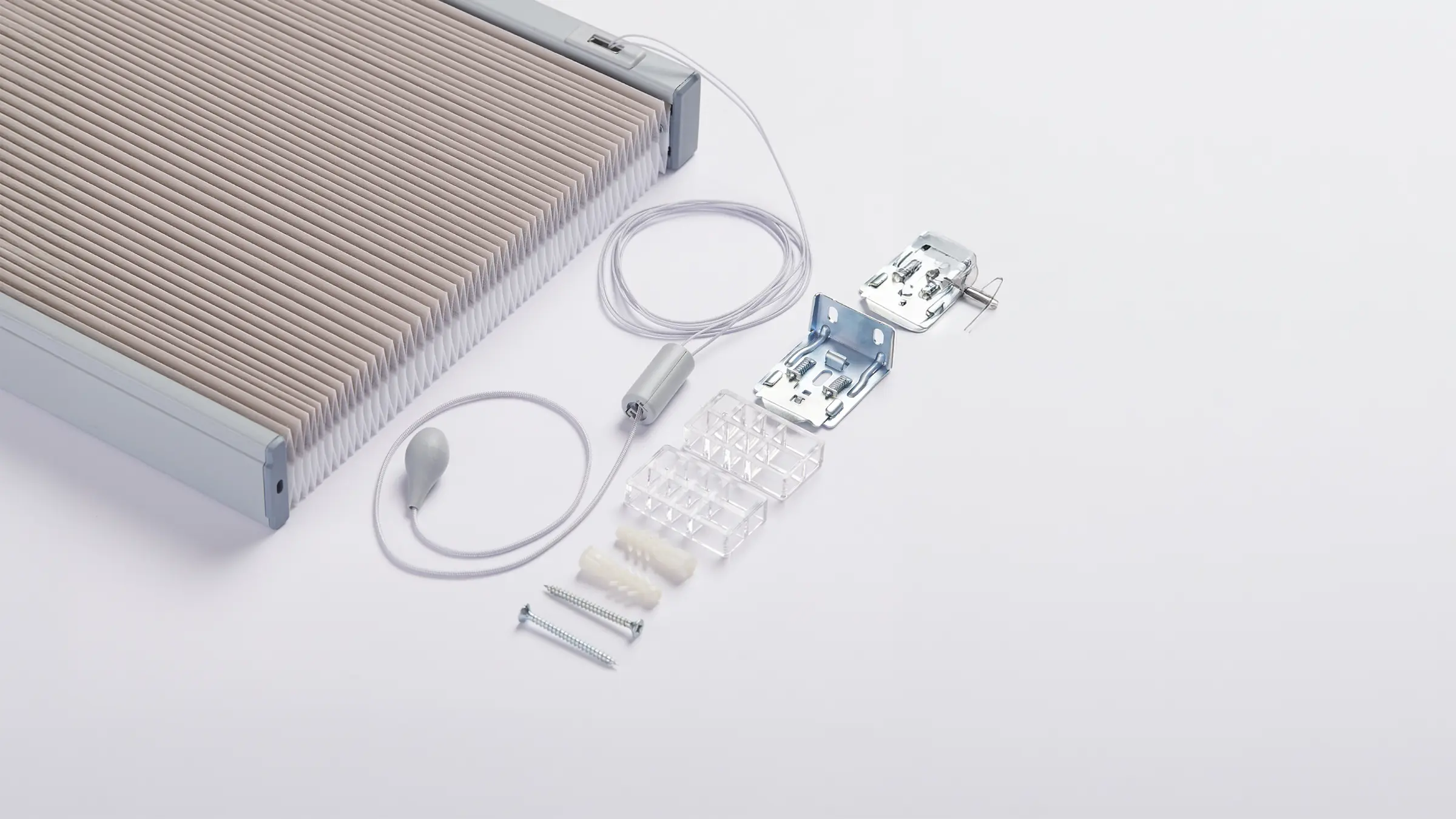
- Mounting feet: Brackets that attach the blind to the window
- Tension system: Spring or weight system that keeps cords taut
- End caps: Plastic or metal caps that finish the profile ends
Mounting Hardware
- Screws: For permanent installation on PVC, wood, aluminium
- Adhesive pads: 3M double-sided tape for drill-free mounting
- Clips: Spring-loaded clips for tool-free installation
- Guide wires: For sloped or ceiling windows
Motorized Components (Optional)
- Motor: Tubular motor inside the top profile
- Remote control: RF or Bluetooth remote
- Smart home module: WiFi or Zigbee adapter for app control
- Battery pack: Rechargeable battery for cord-free operation
Quality Indicators
When evaluating pleated blind quality, check: fabric weight (gsm), cord thickness, profile wall thickness, motor noise level (dB), and warranty period. Reputable manufacturers provide material specifications and test reports.
Frequently Asked Questions